
Awakening to Our Shadows in a Conscious Community
BLOGGING AWAY
Awakening to Our Shadows in a Conscious Community
07.12.2025
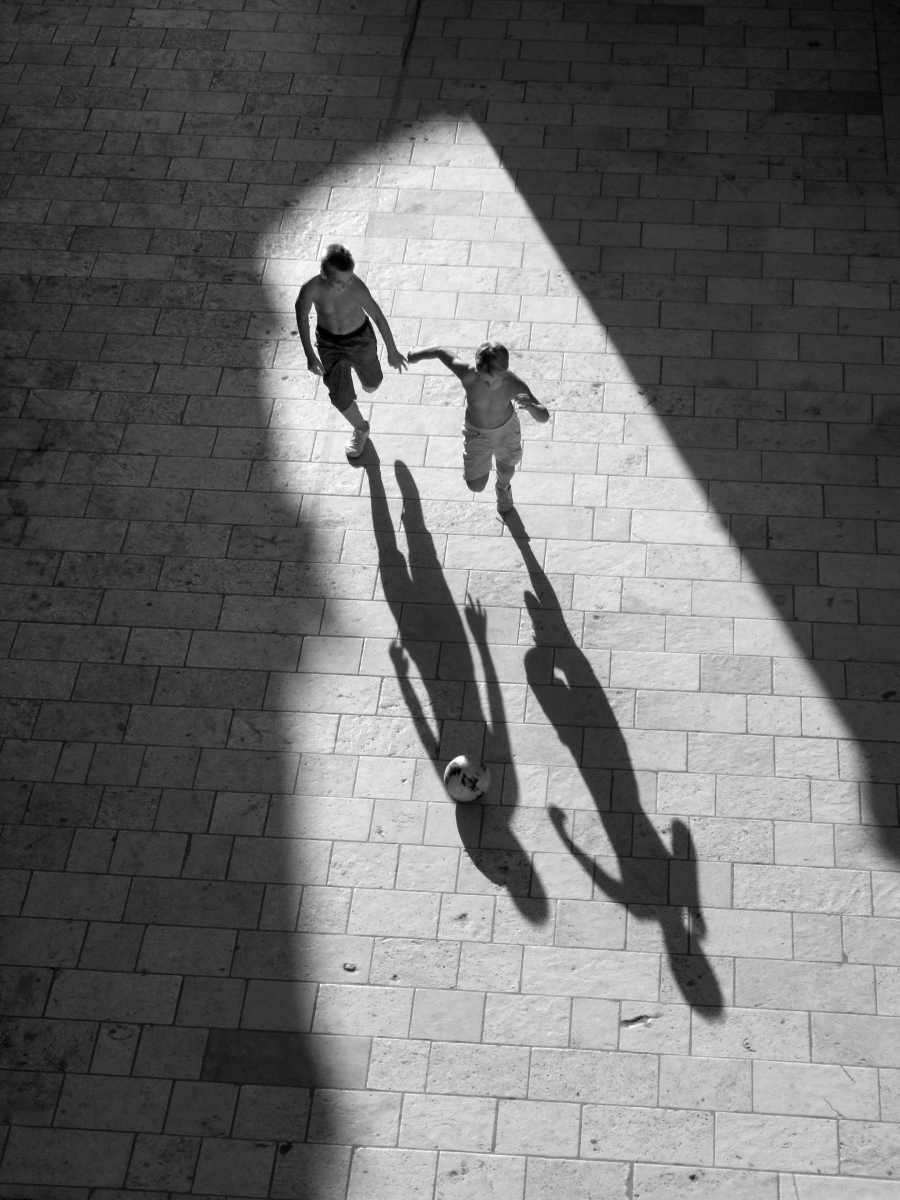
In my first month in Costa Rica, I stayed at an incredible community project called Awake Uvita. One evening over dinner, I sat beside someone who used to be part of the management team.
Because I’m curious about what it really takes to create and maintain a conscious community, I asked this person a simple question:
“What have you noticed to be the greatest challenge in managing a community project?”
I expected something about finances, administration, or decision-making. Instead, he paused for a moment and then said something that surprised me in the best possible way:
“Communication between individuals and their shadow sides.
It’s dealing with people’s shadows.”
I understood.
He continued explaining how every behavior, every reaction, every moment of friction often comes from places we’re not even aware of. Each person carries a different history, a different set of wounds, patterns, and unconscious triggers — and those unseen elements shape how we show up with others.
These automatic patterns create tension both within the self and outside the self. Often, people have no idea that what’s driving them is a shadow, not the present moment.
After all, I wasn’t that surprised by this answer.
The level of conversations I’d been having with each soul I met at Awake is magically aligned with my findings and path. People are attracted to such projects because they’re already on a growth journey. They’re committed to their inner work and also to contributing something meaningful to the lives of others.
So What Is the Shadow?
This term was first introduced by Swiss psychiatrist Carl Gustav Jung, who described it as the part of the psyche that contains everything we deny, reject, or remain unconscious of — the traits, impulses, and fears we consider undesirable.
In a nutshell, it's the subconscious programming we are unaware of.
We often treat our preferences as absolute truths.
For example: “Being lazy is terrible.”
But this kind of statement usually reflects a judgment inherited from somewhere else — it's born from our shadow.
Casting light on a shadow means recognizing it for what it is: a rejected aspect of the self.
The moment we can look at it without judgment, the negative charge dissolves. We begin to see the other side of the coin.
Every shadow holds not just ignorance or fear, but also a hidden gift waiting to be reclaimed. And every trait we idealize also holds its own balanced opposite.
The Shadow as the Path to Self-Ownership
It follows that dealing with our shadow aspect equals owning the self.
That is enlightenment itself, because the moment you bring the unconscious into awareness, there’s nothing left to run from. You end up at peace with all aspects of yourself — and therefore with the “external world,” which is really just a projection of the subconscious mind.
When person A talks to person B, they’re rarely talking to that person alone.
More often, they’re speaking with their own internal world — their fascinations, fears, irritations, desires. What captivates them, what they want to fix, what they can’t stand… it all comes from within.
We believe we’re having conversations with each other, but in truth, we’re having conversations with our own aspects of self.
That’s why perspectives can clash so dramatically, and why language can become tricky. Even when we use the same words, they can carry different meanings.
Take the word “discipline.”
For some, it means self-respect and self-love.
For others, it recalls rules that pulled them away from themselves.
Or take the word “freedom.”
For one person, it’s the most beautiful, empowering concept they know.
For another, it may suggest irresponsibility or selfishness.
Language isn’t useless, of course. This simply shows why finding common ground can be difficult sometimes: we think we’re using a shared language, but we’re actually expressing different perceptions born from different histories.
Owning this truth allows for easier communication — especially in groups.
Conclusion: The Work of Community Is the Work of the Self
What I’m realizing here in Costa Rica is that community work is ultimately inner work. A conscious community can’t function without individuals willing to look at their own shadows — because everything we project outward begins within.
The more we own our inner world, the more harmony we create in the outer one. And perhaps that’s the true essence of living an “Awake” project.
My office
Anywhere in the world
Contact
hello@valeriafontana.com
Subconscious Mind Coach